
15 Dec Warren Buffett On Risk
Posted at 13:09h
in Risk
“The strategy we’ve adopted precludes our following standard diversification dogma...

“The strategy we’ve adopted precludes our following standard diversification dogma...

I was recently reviewing a list of psychological investment biases in a paper called "How Biases Affect Investor Behaviour" by H. Kent Baker and Victor Ricciardi and I realized something is missing from the bias canon. I call it the "Not knowing what you want bias"....
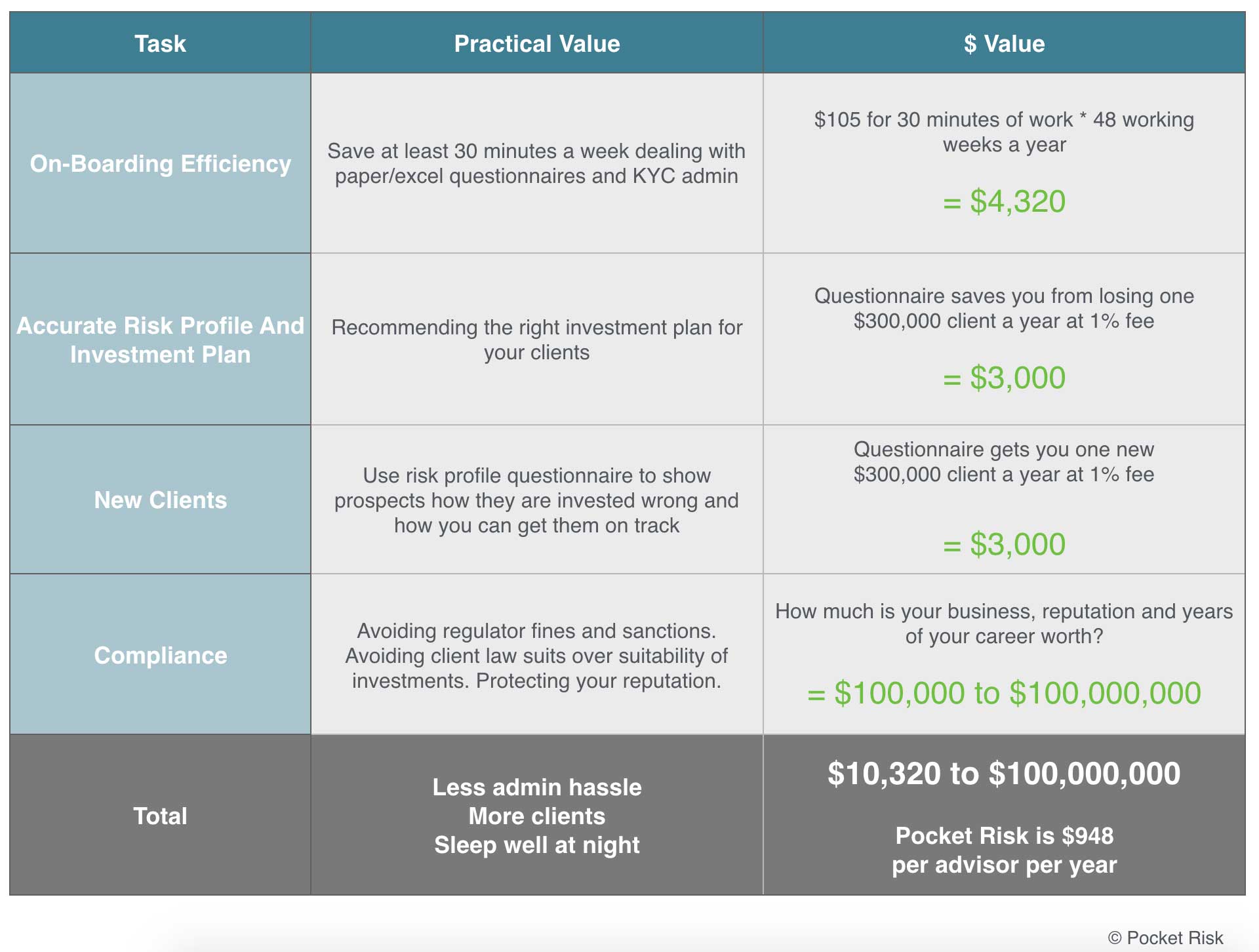
The chart says it all. Click the link to view and enlarge. ...

Assessing your clients' risk tolerance and overall risk profile (which includes risk capacity, risk needs and behavioral biases) is essential to building suitable portfolios, running an efficient practice and meeting compliance requirements. But what is the ideal way to do it? Tip: It's not just about...

All financial advisors collect Know Your Client (KYC) information about their clients. Not only is it a regulatory requirement, it's good business. It helps you build a winning investment approach by requiring you to collect your clients vitals. History Of Risk Questionnaires Unfortunately, as KYC requirements expanded in...

The Certified Financial Planner Board Of Standards' first principle in its Code of Ethics is integrity. The code states - "Integrity demands honesty and candor which must not be subordinated to personal gain and advantage. Certificants are placed in positions of trust by clients, and the...

It’s almost universally accepted by advisors and prescribed by regulators (e.g. FINRA, FCA, and MFDA) that advisors assess a client’s risk tolerance before recommending investments. Knowing how much risk someone is willing to take is essential in building a suitable plan. However, assessing someone’s risk...

"The narrative fallacy addresses our limited ability to look at sequences of facts without weaving an explanation into them, or, equivalently, forcing a logical link, an arrow of relationship upon them. Explanations bind facts together. They make them all the more easily remembered; they help...
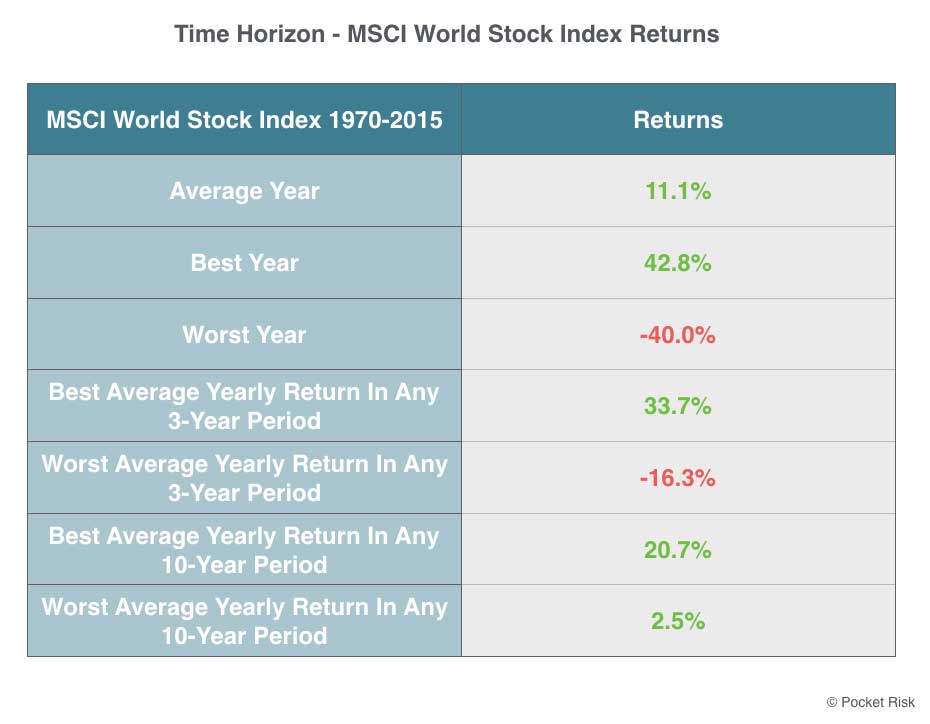
I recently had a discussion on Facebook with two financial advisors about risk tolerance questionnaires. The advisors expressed their frustrations with managing client behaviour. In one advisor’s words “there is an emotional element that is difficult to quantify” in questionnaires. Pocket Risk helps here but...

Headlines like Michael Kitces’ “The Sorry State Of Risk Tolerance Questionnaires” disappoint me but they also motivate. Criticism is how we improve and a new version of Pocket Risk is launching soon. Advisor technology has its challenges. Yet I rarely hear voices from the other...